Europe's Frozen Food Leader
Number one in 13 of 15 markets, with scale smaller rivals and own-label can't match

An overview of the main reasons to invest and the key risks involved.
Number one in 13 of 15 markets, with scale smaller rivals and own-label can't match
Strong cash flow, a high dividend and buybacks, yet rated below rivals
Fresh team, a 200m euro savings plan, and management backing it by buying shares
Shoppers are buying less, and cheaper own-label brands keep competing hard
Around 2 billion euro of net debt is being refinanced at higher interest rates
Cost savings and new growth plans could disappoint or take longer than hoped
Frozen food is one of the steadier corners of the supermarket. Shoppers keep reaching for it in good times and bad, and after a couple of inflation-hit years the European category is growing again in both value and volume. Nomad Foods is the region's biggest frozen food company and the owner of household names including Birds Eye, Findus, iglo, Goodfella's and Aunt Bessie's. It holds the number one position in 13 of the 15 markets it serves, and its brands sit squarely on the consumer trends of protein, convenience and value, with roughly two-thirds of sales coming from fish, other proteins and vegetables.
Trading turned tougher through 2025. Volumes softened, inflation squeezed margins, and the shares fell well below their highs. As a result the stock looks cheap against its peers, on a low earnings multiple and a dividend yield in the mid-to-high single digits, supported by sizeable buybacks. A new chief executive took the helm in January 2026, refreshed the senior team, and launched a 200 million euro cost-savings programme running to 2028, with a fuller growth strategy promised later in the year. The turnaround still has to prove itself and the debt is on the high side, yet a dominant market position, a bargain valuation, and both the company and its executives buying their own shares give real weight to the recovery case.
Overview of buy and sell case of the business.
Key pieces of information about the business that you need to know about.
Nomad is the runaway leader in European frozen food, home to Birds Eye, iglo, Findus, Goodfella's and a string of local champions. It holds the top spot in 13 of the 15 countries it operates in, and across its 25 most important product battles its brands command more than twice the combined share of all other branded rivals. Scale on this level buys real advantages: prime freezer space, close ties with the big supermarkets, the budget to keep advertising, and enough pricing power to pass on cost increases. In a category shoppers return to in any economy, that leadership is hard for challengers or own-label to dislodge.
Frozen food is a steady, cash-generative business, and even in a soft 2025 Nomad turned a healthy share of its profits into spare cash. It produced around 182 million euro of adjusted free cash flow that year and aims to convert 90% or more of profit into cash going forward. The cash funds a dividend yielding in the mid-to-high single digits alongside a steady buyback, with 195.6 million euro of shares repurchased in 2025 and more bought since. The puzzle is the price. Despite that cash generation, the shares trade on a lower earnings multiple than many food-industry peers, so investors are picking up the income and cash returns at a discount, and every buyback retires stock cheaply and lifts the value of what remains.
A refreshed management team is now in place and moving quickly. Dominic Brisby became chief executive in January 2026, bringing experience from Flora Food Group and a long career at Imperial Brands, and has added a new marketing chief and fresh regional heads. The centrepiece is a 200 million euro efficiency programme to 2028, led by a major overhaul of how the group buys ingredients and packaging, with further savings in factories, logistics and overheads. Part of the benefit is being reinvested into brands and products, and a fuller growth plan is due at an investor day later in 2026. Tellingly, the CEO and colleagues have been buying shares with their own money.
The key events that could drive investment opportunities and shift markets.
August half-year results: Nomad has already flagged second-quarter profit ahead of expectations. A solid print would show the sales decline is easing.
Completing the debt refinancing: The new 800 million euro bond removes the looming 2028 maturity and clarifies future interest costs.
Autumn investor day: Management lays out its full growth strategy, the market's first proper look at the new team's plan.
Efficiency savings showing up: Visible progress on the 200 million euro cost programme feeding through to margins and cash.
A return to volume growth: Category recovery and new protein and chicken launches turning brand strength into steady sales growth.
Re-rating as the plan delivers: A low multiple and high yield leave room to re-rate if profits and cash returns hold up.
Key pieces of information about the business risks that you need to know about.
Nomad has been selling less product. Organic revenue fell across 2025 and dropped again in early 2026, with first-quarter volumes down more than 4%, though some of that was a deliberate clean-up of inefficient order patterns. Shoppers remain price-conscious, and cheaper supermarket own-label ranges compete directly with Nomad's brands on the same shelves. If volumes do not stabilise and the category's recovery stalls, the company's growth ambitions rest heavily on higher prices and better product mix rather than selling more units.
The group carries a large amount of borrowing, close to 2 billion euro net of cash, a legacy of the debt-funded deals that built it. In mid-2026 it moved to refinance, raising 800 million euro of new notes to replace debt maturing in 2028. Management expects this to lift interest costs, which it plans to offset over time by paying down net debt. Higher interest payments reduce the cash left for dividends, buybacks and investment, and if profits keep falling the debt looks larger relative to earnings. It is manageable for now, but it lowers the margin for error.
Much of the optimism rests on plans that have not yet played out. The new chief executive has only been in post since January 2026, the 200 million euro savings programme runs to 2028, and the broader growth strategy will not be spelled out until an investor day later this year. Cost programmes can slip, savings can be competed away on price, and new-product pushes do not always land. The medium-term profit growth target is modest, so the market will want clear evidence that the plan is working before rewarding the shares.
Quickly navigate key insights from industry experts and leverage their knowledge and market intelligence.
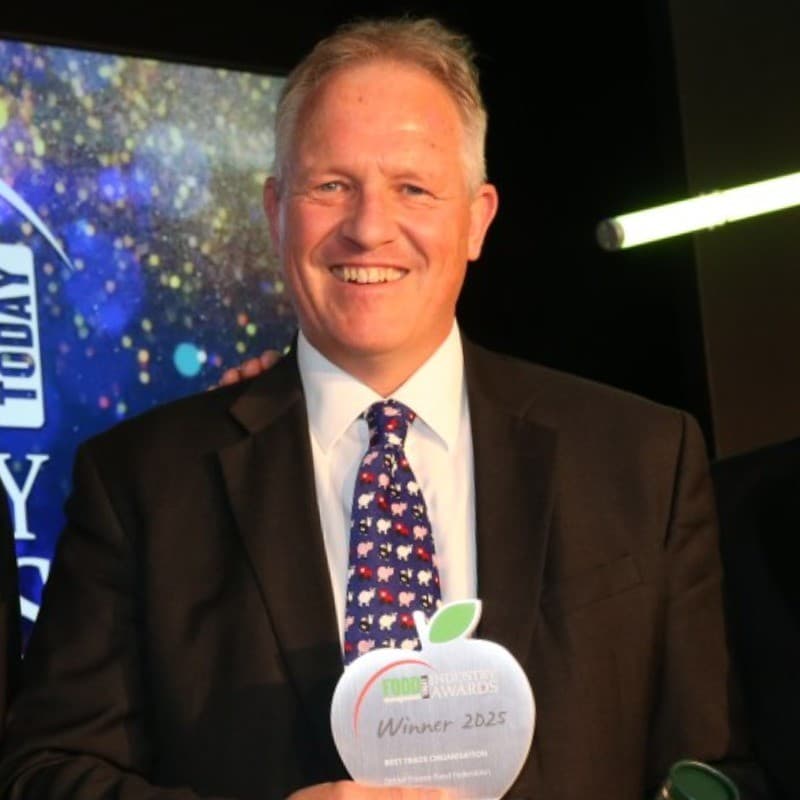
"Frozen food fits well with the realities many households are facing. It offers convenience and affordability at a time when budgets are under pressure and time is limited."

"It's important to remember that shoppers often look for great value and quality, not just the cheapest product."

"The obsession with protein is actually driven by the perception that more protein equals better health."
Access the most recent investor updates published by the company.
A curated collection of third-party content relevant to the company and sector to help inform your investment decision.
Discover the key frozen food trends shaping consumer demand, and how shifts in perceptions, expectations, and preferences are influencing the category.
Meet the experienced professionals leading our organization


Here are the questions that professional investors are asking before making an investment decision.
Frozen food earns its keep in any economy. When budgets tighten, it offers an affordable, long-life alternative to fresh and to eating out, with less waste because you use only what you need. When times are easier, shoppers trade up into premium and restaurant-style options rather than leaving the aisle. That two-way pull helps explain why the European category has returned to growth in both value and volume, and why frozen has been outpacing the wider grocery market. Health and convenience add to the draw: modern freezing locks in nutrients, and rising demand for high-protein, quick meals plays straight to the freezer's strengths.
Dominic Brisby arrives with a solid record at Flora Food Group and Imperial Brands and has quickly reshaped the top team and launched a cost programme. Supporters believe fresh energy, sharper marketing and reinvested savings can revive the brands. The autumn investor day and the first results under the new plan will show whether ambition is translating into numbers.
Nomad trades on a low earnings multiple with a high dividend yield, and both the company and its executives have been buying shares, which bulls read as a clear margin of safety. Bears argue the discount is deserved: revenue is shrinking, borrowing is high, and own-label competition is relentless. Which view wins depends almost entirely on execution. If the efficiency plan and new products restore even modest growth, the shares look cheap; if not, the discount may persist.
This is the heart of the debate. Optimists point out that frozen food is defensive, that the wider European category is growing again in both value and volume, and that a chunk of the recent fall came from deliberately cleaning up order patterns rather than shoppers walking away. Sceptics counter that cash-strapped consumers are trading down to supermarket own-label and that Nomad's brands may be structurally slower-growing. The tell-tale sign to watch is retail sell-out, meaning how much leaves the tills, alongside whether new products win back units.
Nomad Foods
Nomad is Europe's frozen food leader, owning Birds Eye, Findus and iglo. With a dominant grip on a resilient category, the new leadership team is focused on cutting costs and restarting growth.
NYSE:NOMD
$12.694.10%
1.70b
12.02
1m
Pricing delayed 15 mins. Jul 30, 2026 12:00 AM