A Replacement Cycle That Miners Can No Longer Delay
Record-old fleets force new equipment orders as production and depth demands rise.

An overview of the main reasons to invest and the key risks involved.
Record-old fleets force new equipment orders as production and depth demands rise.
Roughly two-thirds of sales come from steady service and aftermarket work.
Automation and electric orders growing fast, locking customers into service contracts.
Order momentum can stall quickly if metal prices or budgets weaken.
Currency translation can flatten reported revenue and margins despite solid demand.
Conflict, tariffs and input costs like tungsten can disrupt customers and margins.
The world is short of copper, gold and the metals that electrification runs on, and the machines that dig them out of the ground are getting old. Across the industry the average mining fleet has reached a record age of roughly 8.6 years, and miners can only delay buying new equipment for so long. Epiroc sits right at this pressure point. The Stockholm-listed company builds the drill rigs, rock-excavation gear, tools and automation systems that mining and infrastructure customers rely on in around 150 countries, and it earns a large slice of its revenue not from one-off machine sales but from the parts, servicing and software that keep those machines running for years.
For much of 2025 the story was messy, weighed down by high inventory, a soft construction market and a strong Swedish krona that flattered nothing on the reported line. That backdrop is now shifting. Order intake hit a record in early 2026, the destocking that dragged on the tools business is over, and demand for automated and electric equipment is growing far faster than the core. Because roughly two-thirds of sales now come from recurring aftermarket and service work, Epiroc offers something unusual for a capital-goods maker: exposure to a genuine equipment upcycle wrapped around a stickier, higher-margin base.
Overview of buy and sell case of the business.
Key pieces of information about the business that you need to know about.
Mining equipment wears out, and the global fleet is now older than it has ever been, at around 8.6 years on average with a large share past ten years. When miners defer new purchases for years, as many did, they eventually have to spend to keep production running, especially as they chase deeper, more complex ore bodies that need specialised gear. This is the core of the case. Epiroc confirmed the shift in Q1 2026 with record order intake of SEK 18.3 billion and equipment orders up 44% organically, driven mainly by replacement and expansion at existing mines. A worn-out fleet is a demand backlog waiting to be filled.
Selling machines is lumpy and cyclical; servicing them is not. Aftermarket and service work now makes up around two-thirds of Epiroc's sales, and that revenue tends to track how hard existing equipment is being used rather than whether miners are approving new projects. Service orders grew 12% organically in Q1 2026, with strong demand for mid-life rebuilds. On top of this sits a growing software layer: once a mine adopts Epiroc's automation or battery-electric fleet, it tends to stay locked into long-term service contracts. That recurring base makes earnings steadier than the "capital equipment" label suggests.
Mining is slowly going driverless and diesel-free, and Epiroc is at the front of that shift rather than defending against it. Its LinkOA system runs the Roy Hill operation in Australia, where 78 haul trucks from rival manufacturers were converted to driverless running, making it the world's largest "OEM-agnostic" autonomous mine. More than 3,900 machines now run on Epiroc software. In Q1 2026 the company booked a SEK 380 million order for autonomous, cable-electric blasthole drill rigs in Africa. Every such deal deepens both the technology lead and the recurring revenue that follows it.
The key events that could drive investment opportunities and shift markets.
Quarterly order momentum. Continued record or near-record order intake would confirm the replacement cycle is real and accelerating. The next test is the Q2 2026 results, due 17 July 2026.
End of the construction drag. With US destocking over, the tools and attachments business turning from headwind to modest tailwind would remove a weight that held back the top line through 2025.
Automation and electric wins. More autonomous-fleet and battery-electric orders would extend the technology lead and, crucially, add long-term service contracts behind each deal.
Aftermarket expansion. The Eventspec acquisition in South Africa (completing around Q3 2026) deepens Epiroc's service footprint in a growing region and lifts the higher-margin recurring mix.
Structural fleet renewal. A multi-year wave of replacement across aging, deeper mines could sustain equipment demand well beyond a single upcycle.
Service-led margin mix. As software and aftermarket keep outgrowing machine sales, the earnings base should become steadier and more resilient than traditional equipment peers.
Key pieces of information about the business risks that you need to know about.
Epiroc sells capital equipment, so its order book rises and falls with how much miners choose to invest, and those budgets can be cut fast when metal prices drop or the economic outlook darkens. Around 79% of orders come from mining, with gold and copper alone driving roughly two-thirds of mining demand. That concentration is a strength while prices are high, but a sustained commodity downturn or a delayed replacement cycle could quickly stall both order growth and the margin recovery the market is counting on.
Epiroc reports in Swedish krona but does much of its business in US dollars, so a strong krona drags on reported revenue and margins even when underlying demand is healthy. The gap was stark in Q1 2026: orders rose 23% organically but only 11% as reported once currency was stripped out, and reported revenue actually fell. Currency knocked around 0.6 percentage points off the quarter's margin. If the krona stays strong, headline numbers may keep understating the real business, which can weigh on how the shares are valued.
As a global manufacturer, Epiroc is exposed to trade tensions, tariffs and input-cost swings. Tariffs cost just under half a percentage point of margin in Q1 2026, and tungsten, a key material for drill bits sourced largely from China, has seen rising costs. Broader instability, from Middle East tensions to energy price spikes, can unsettle commodity markets and make mining customers more cautious about committing capital, delaying the very orders the investment case depends on.
Quickly navigate key insights from industry experts and leverage their knowledge and market intelligence.
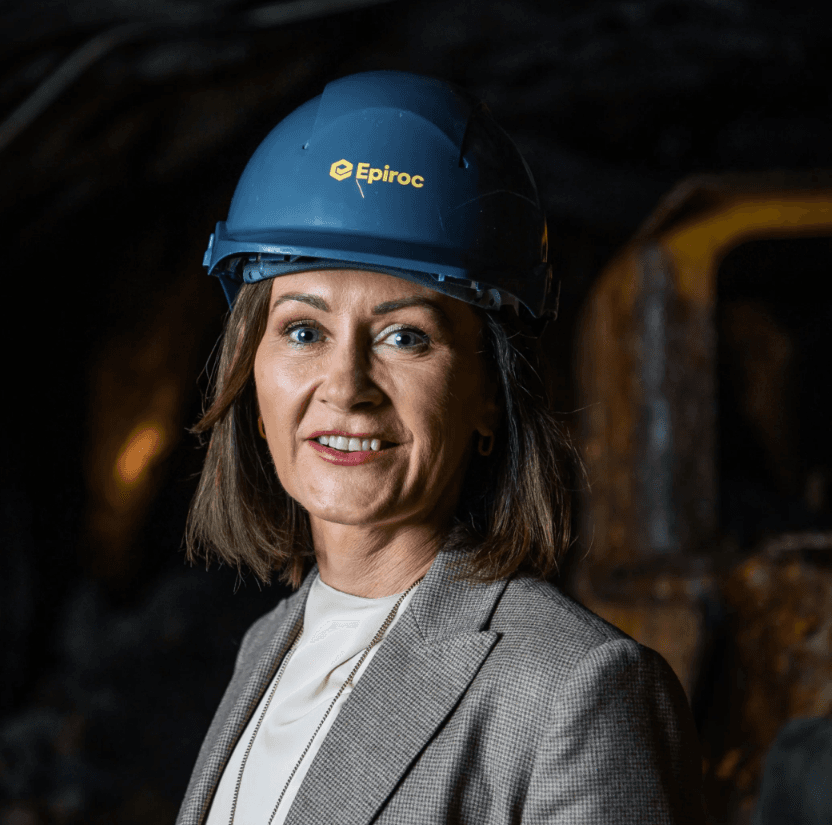
Epiroc appointed Patricio Lagarini as its new general manager for the Southern Cone, an executive who made his first official appearance during the #MineríaCierreDeAño of Panorama Minero. In that context, he delved into the path that the industry is traversing toward 100% intelligent mining, without neglecting the role of human capital or the challenges posed by effective digitalization.

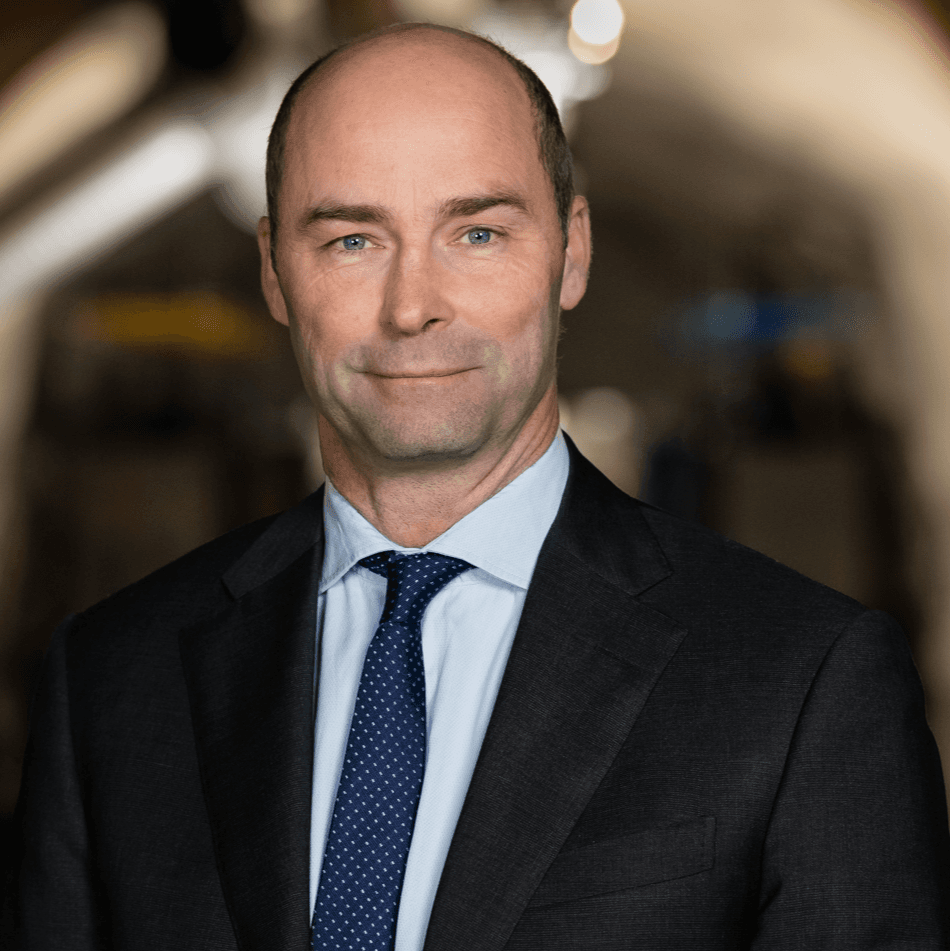
Investors former CEO Johan Forssell has bought 10,000 B-shares in Epiroc where he sits on the board. This means he tripled his position in the company (holdings in his own name). During his time as CEO of Investor, he must have been one of the stock market's absolute best dip buyers.
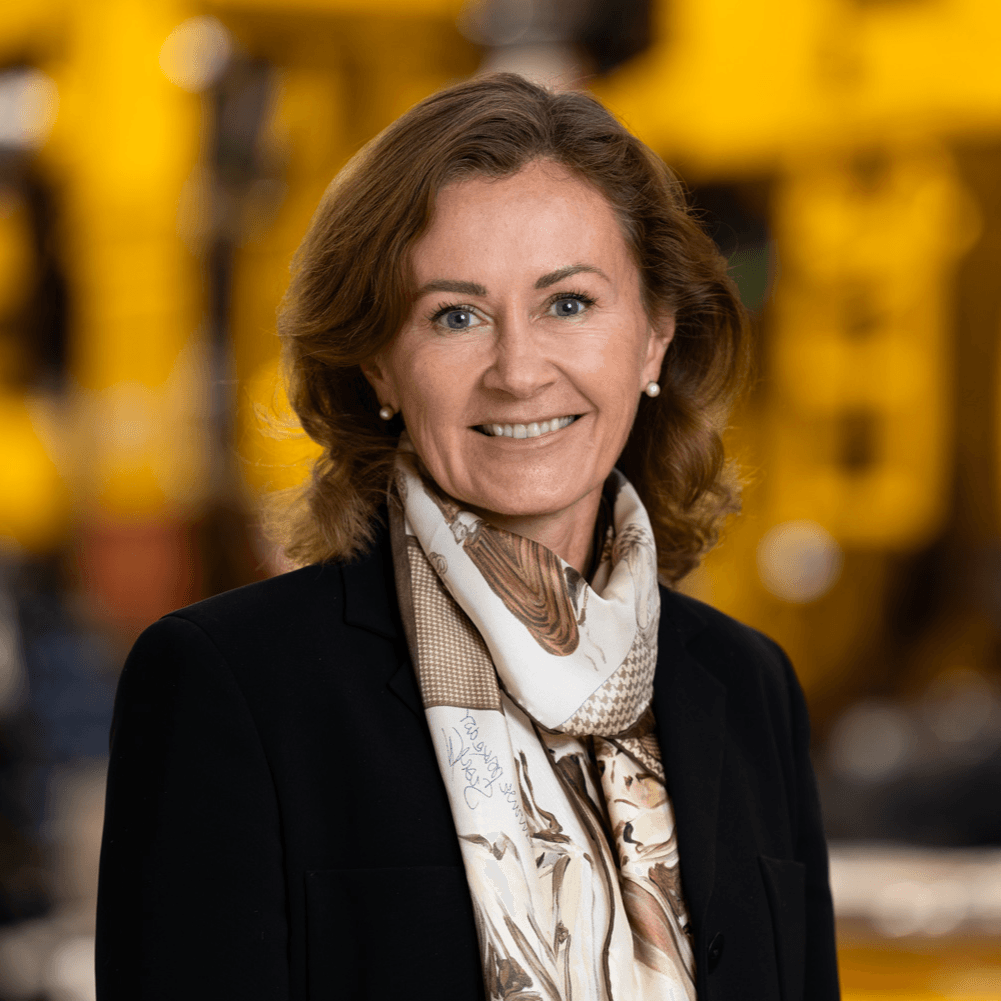
It's less about timing peaks or bottoms in the market and more about following the natural pace of the process. Most of the acquisitions we look at involve privately owned companies, and building trust with the owners is essential. That doesn't happen overnight, it can take years. Several of the deals we've closed in the past three years started from relationships we began six years earlier.
Access the most recent investor updates published by the company.
Legacy, innovation, and leading one of Sweden's most influential industrial companies into a new era.
A curated collection of third-party content relevant to the company and sector to help inform your investment decision.
Automated mining technologies require governments and the mining industry to consider how efficiency gains will change local mining communities.
Meet the experienced professionals leading our organization

Here are the questions that professional investors are asking before making an investment decision.
Bulls point to the record 8.6-year fleet age, 44% organic equipment order growth in Q1 2026 and a jump in large orders as evidence of a genuine, delayed replacement wave rather than a blip. Sceptics note that one quarter of records can reflect timing and pent-up demand catching up at once, and that equipment orders are naturally lumpy. The evidence that matters over the next few quarters is whether order strength broadens across regions and whether it holds even if commodity prices cool. So far management expects mining demand to stay high near term.
This is a recurring debate because Epiroc's reported numbers can look weak while the business is strong. In Q1 2026 organic orders grew 23% but reported growth was just 11%, and revenue fell on paper. Over the long run a strong dollar helps Epiroc, since much of its business is done in dollars, but accounting rules force consolidation in krona, making the effect hard to model quarter to quarter. Investors have to look through the headline to organic figures, and disagreement over how to value a business with this much translation noise keeps the shares choppier than the underlying trend.
Epiroc has historically targeted industry-leading margins, and adjusted operating margin held around 20% in Q1 2026 despite tariffs and higher tungsten costs. Bulls argue that as volumes recover, inventory normalises and the higher-margin service mix grows, margins should build from here. The counterargument is that the 2024 Stanley Infrastructure acquisition diluted margins and that input costs and currency remain live headwinds. Rating agency commentary sees adjusted EBITDA margins improving into 2026 to 2027 without fully returning to the 2022 to 2023 peak.
The automation and digital business is growing fast and, importantly, drags recurring service revenue behind it, which is what makes it strategically valuable rather than just a headline. Over 3,900 machines run on Epiroc software and the Roy Hill project shows the technology works at scale across mixed fleets. The open question is size: electrification was still only a few percent of group revenue in 2025, so it is a powerful mix-shift and moat-builder over time rather than a near-term earnings driver. How quickly it scales will separate a good story from a material one.
The bull outcome needs three things to hold together: order strength that broadens and persists, the construction and tools business turning genuinely positive, and margins grinding higher as service mix improves. The bear outcome is a commodity-led capex pullback that stalls orders, combined with continued krona strength that keeps reported growth and valuation under pressure. Because so much of the debate hinges on the durability of the replacement cycle, the coming quarters of order data are the clearest evidence investors will get.
Epiroc
The Swedish equipment maker cashing in as the world's aging mining fleets finally get replaced
OTC:EPKKY
$19.16
0.00
0
N/A
Pricing delayed 15 mins. Jul 14, 2026 2:00 PM