The Under-appreciated Metal Behind the Tech Boom
Solar, EVs, and AI are fuelling a structural demand surge for tin.

An overview of the main reasons to invest and the key risks involved.
Solar, EVs, and AI are fuelling a structural demand surge for tin.
Cornish Metals could solve a critical gap in Europe's tech supply chain.
World-class project economics, full permits, and a government-backed build-out.
Project requires significant capital to reach full construction.
Company’s value currently tied to one development project.
Delays in mine readiness or dewatering could slow timeline.
Cornish Metals is working to restart the historic South Crofty tin mine in Cornwall, once a cornerstone of Britain’s mining heritage, with the goal of becoming a strategic domestic supplier of tin for the UK and Europe. South Crofty is one of the highest-grade undeveloped tin assets globally, and uniquely, it is already fully permitted with legacy infrastructure in place. Tin is a vital, yet underappreciated, component in electronics, renewable energy, and the energy transition, and South Crofty’s revival aligns with growing demand and limited global supply.
The investment case rests on three powerful drivers: a long-term global tin shortage, an urgent European push to secure critical minerals, and South Crofty's rare combination of high grades, low costs, and regulatory readiness. Cornish Metals has secured significant backing from strategic investors and the UK government, and is actively progressing toward production by 2028. With strong economics, exploration upside, and a clear pathway to becoming a lowest-quartile producer, this is a small cap with the potential to play a big role in Europe's resource security.
Overview of buy and sell case of the business.
Key pieces of information about the business that you need to know about.
Tin plays a vital, often overlooked, role in the global shift to electrification. It’s used in solder, a fundamental component in all circuit boards and electronics, and demand is growing as the world builds more electric vehicles, installs more solar panels, and integrates AI into everything from phones to data centres. According to the International Tin Association, tin demand is forecast to increase by nearly 30% by 2035. Yet new supply is not keeping pace, and the industry has faced two consecutive years of mine output decline. Tin is now officially classified as a “critical mineral” by the UK, US, EU, Japan, and others, reflecting its strategic importance, and its growing scarcity. This supply-demand imbalance sets the stage for structurally higher prices, especially for new, low-risk sources of supply like Cornish Metals.
Europe has no primary tin production, making the region highly exposed to imports from countries like China, Indonesia, and Myanmar, many of which face political, environmental, or licensing risks. As the EU and UK implement strategies to onshore supply chains for critical minerals, the South Crofty project stands out. It is one of the few advanced-stage tin projects in a Western jurisdiction, with both full permits and government support already in place. Backing from the UK’s National Wealth Fund and regional development grants signals a broader industrial strategy shift. For European governments, carmakers, tech companies, and green energy firms, secure, local tin production is no longer a nice-to-have. It’s a national priority. Cornish Metals is uniquely positioned to fill that gap and become a strategic asset for Europe’s green economy.
Many mining juniors have long timelines and permitting uncertainty, but South Crofty is different. It is fully permitted, has an existing water treatment plant, and is advancing underground and surface works in parallel, with early construction now underway, key equipment secured, and engineering work progressing toward full build readiness. The updated PEA outlines compelling project economics: a £180m after-tax NPV, 20% IRR, and a low all-in sustaining cost of ~$13,400 per tonne, placing South Crofty in the bottom quartile of global producers. The mine is forecast to produce ~4,700 tonnes of tin annually in its early years, equivalent to ~1.6% of global supply. Beyond the base case, there's meaningful upside from near-mine exploration targets and historic lodes not yet included in the mine plan. With site activity scaling, infrastructure taking shape, and strong government backing, Cornish Metals is well-positioned to become a new cornerstone of European tin supply.
The key events that could drive investment opportunities and shift markets.
Completion of mine dewatering: Continued progress toward completion, now scheduled for early 2027, marks a major technical de-risking milestone, with dewatering already reaching deeper levels and supporting parallel underground work, enabling full access to underground development and supporting upcoming resource expansion.
Progress on FEED and early construction: Advancing Front-End Engineering Design alongside active surface construction, including processing plant excavation and infrastructure works, with key long-lead equipment already secured, signals momentum and readiness for the next funding phase, while supporting engagement with potential project financiers, including the Export-Import Bank of the United States (EXIM).
Final Investment Decision (FID) in 2026: A formal greenlight for construction will mark a turning point, confirming project viability, as the company works toward securing a full debt and equity funding package, following continued technical de-risking and progressed engagement with potential debt financiers, including the Export-Import Bank of the United States (EXIM), unlocking project financing, and moving South Crofty firmly into development mode.
Updated Mineral Resource Estimate: Expanding the resource base by converting exploration targets into measured resources will enhance mine life, improve project scale, and support valuation upside.
First tin production by mid-2028: Achieving production will transform Cornish Metals from a developer into a strategic tin producer, unlocking cash flow and fundamentally re-rating the stock.
Mine life extension through exploration: Success in near-mine drilling and historic lode development, including the Roskear lodes, could significantly extend the current 14-year mine plan, adding scale, optionality, and long-term value.
Key pieces of information about the business risks that you need to know about.
Cornish Metals raised £57.4 million in 2025, led by the UK National Wealth Fund and Vision Blue Resources, but will still need substantial project financing to reach full construction. A final investment decision is expected in 2026, with CAPEX to follow. The company is exploring debt, partnerships, and offtake deals, but until financing is secured, it remains a key risk. Market conditions and investor sentiment could impact the terms and timing of funding.
The company is fully focused on South Crofty, meaning shareholder returns are entirely tied to a single project. While the asset is high-grade and permitted, any operational, regulatory, or financial setbacks would have an outsized impact. Additional exploration ground exists, but none are revenue-generating or near development.
Cornish Metals aims to begin production by mid-2028, an ambitious but feasible target. The timeline includes dewatering, shaft refurbishment, plant construction, and project financing. Progress has been strong so far, but any delays, particularly underground, could push timelines or raise costs. Reviving a historic mine carries inherent complexity, even with experienced leadership.
Quickly navigate key insights from industry experts and leverage their knowledge and market intelligence.


"Tin needs to see “bullish sentiment… translate into new investment” in actual tin mines."

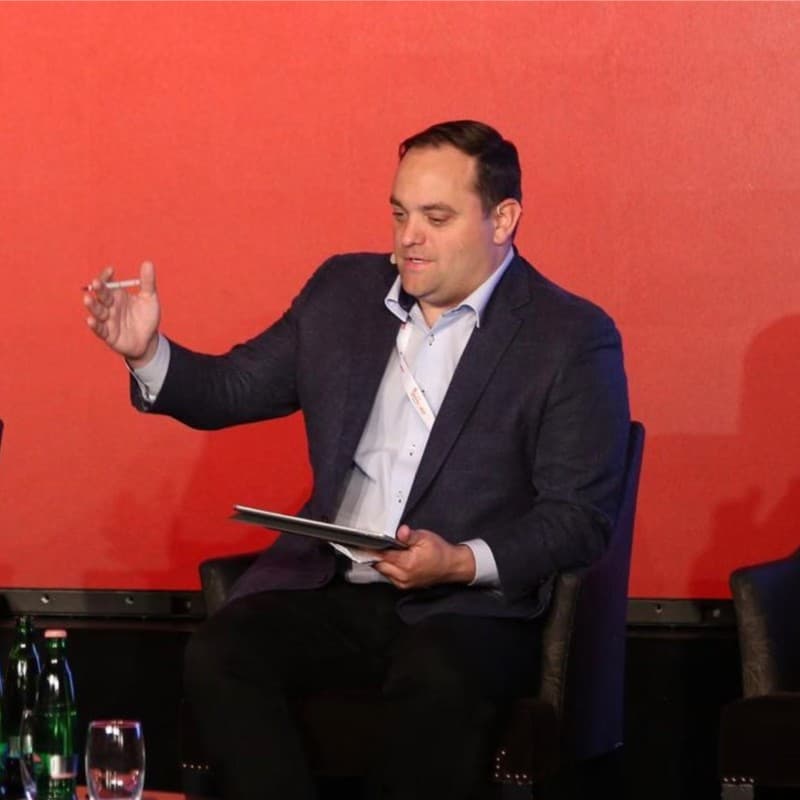
"It takes seven years to build a mine and refining plant but only 24 months to build a battery plant.”
Access the most recent investor updates published by the company.
null
A curated collection of third-party content relevant to the company and sector to help inform your investment decision.
The strategy, published by the Department for Business and Trade, frames critical minerals , such as lithium, nickel, copper, rare earth elements, tin and
Professional Quality Investment Research on Cornish Metals PLC
Meet the experienced professionals leading our organization



Here are the questions that professional investors are asking before making an investment decision.
Given the project's current pace and planning, the 2028 timeline is ambitious but achievable. Dewatering is well underway, surface demolition is complete, and long-lead items have been ordered. However, this is still a complex redevelopment of a historic underground mine. Success will depend on hitting near-term milestones like completing the New Cook’s Kitchen shaft refurbishment and beginning full-scale construction by 2026. While there is little permitting risk, any delay in financing or underground rehabilitation could push this target. Overall, investors see it as realistic, but execution risk remains high.
Yes, and Cornish Metals is already benefiting. The project has received £28.6 million from the National Wealth Fund and up to £4.2 million in regional government grants. The UK's Critical Minerals Strategy explicitly prioritises domestic production of minerals like tin. Government support is also evident in the company’s streamlined permitting process, and the UK’s broader push to onshore supply chains. That said, investors will want to see continued engagement, especially around project financing and potential offtake partners. So far, the signs are promising.
South Crofty’s current mine plan is based on defined resources over a 14-year life, but there is strong potential for expansion. The company has identified near-mine exploration targets totalling 6–13 million tonnes at grades of 0.5–1.8% tin, not currently included in the mine plan. These are based on extensions of known lodes and previously mined structures. If confirmed through drilling and development, they could significantly extend mine life, increase production scale, and improve project economics. The company’s historic track record of replacing mined tonnes supports confidence in this upside.
The project is economically robust. At an assumed tin price of $33,900/t, the updated PEA shows a post-tax NPV of £180 million and a 20% IRR. More importantly, the all-in sustaining cost (AISC) is forecast to be ~$13,400/t in years 2–6, placing it in the lowest quartile globally. That gives the project considerable margin even in a low-price environment. While the project is most attractive at current price levels, it remains viable with significant downside protection, breakeven is estimated to be well below $20,000/t, offering resilience in volatile markets.
While management hasn’t expressed a desire to sell, many investors believe Cornish Metals could be a strategic acquisition target. It owns the only near-term tin project in the UK, fully permitted, in a friendly jurisdiction, with growing government support, a rare combination. Larger mining companies, European industrials, or battery metal strategics could be interested, especially as supply security becomes more important. Whether it remains independent or not will likely depend on financing options and project delivery over the next 12–18 months. Either outcome could create value for shareholders.
Cornish Metals
The UK’s only advanced tin mine, positioned to meet Europe’s growing critical mineral demand.
LSE:TIN
GBp110.00
138.02m
155k
Pricing delayed 15 mins. Jul 14, 2026 2:00 PM