Rare low cost of start-up due to existing infrastructure
Existing wash plant, rail loader and granted permits let mines restart without building from scratch.

An overview of the main reasons to invest and the key risks involved.
Existing wash plant, rail loader and granted permits let mines restart without building from scratch.
Company guides to roughly $90 a ton of cash cost, inside the lowest quartile globally.
Steel makers pay up for this grade as it cannot be replaced by gas or renewables.
Underground restarts often miss volume and cost targets, all while cash continues to be burned.
Selling prices move on global steel demand, so cash flow can vanish quickly.
Everything runs through a single processing plant and rail line in West Virginia.
Overview of buy and sell case of the business.
Key pieces of information about the business that you need to know about.
The key events that could drive investment opportunities and shift markets.
Production Ramp: The next stretch is about turning permitted mines into steady tonnes, and each milestone below is a step in that ramp. Management has targeted lifting Lanes Branch surface output towards 80,000-plus clean tons a month, which would roughly double the rate achieved when its highwall miner first entered production.
Seaborne Shipments: Clinch has begun selling into export markets by ship as well as to domestic mills. Establishing a repeatable seaborne loading pattern through the Norfolk Southern-served rail loader would widen the customer base beyond United States steel plants.
Mine 8 Underground: Mine 8 is a previously producing underground mine holding the bulk of the company's proven and probable reserves. Rehabilitation and development work is intended to bring it into production, which would add tonnes at a different quality mix from surface mining.
Wash Plant Run-Rate: The existing heavy media washing plant can handle 600 tons an hour and is guided towards a 600,000-tonne-a-year run rate. Filling it with the company's own coal rather than third-party material would keep more of the processing margin in-house.
Sewell Mountain Build: JJ Resources, 39% owned by Clinch, plans a new slope and shaft plus wash plant and loadout at the fully permitted Sewell Mountain mid-vol project in Fayette County. Completion would add a second, higher-value coal source.
Tailings And Trading: Two side ventures could broaden the revenue base: recovering rare earth elements from historic waste piles on the ARI ground, and Aster Resources, the wholly owned marketing and trading arm built to sell both Clinch coal and third-party material.
Key pieces of information about the business risks that you need to know about.
Quickly navigate key insights from industry experts and leverage their knowledge and market intelligence.
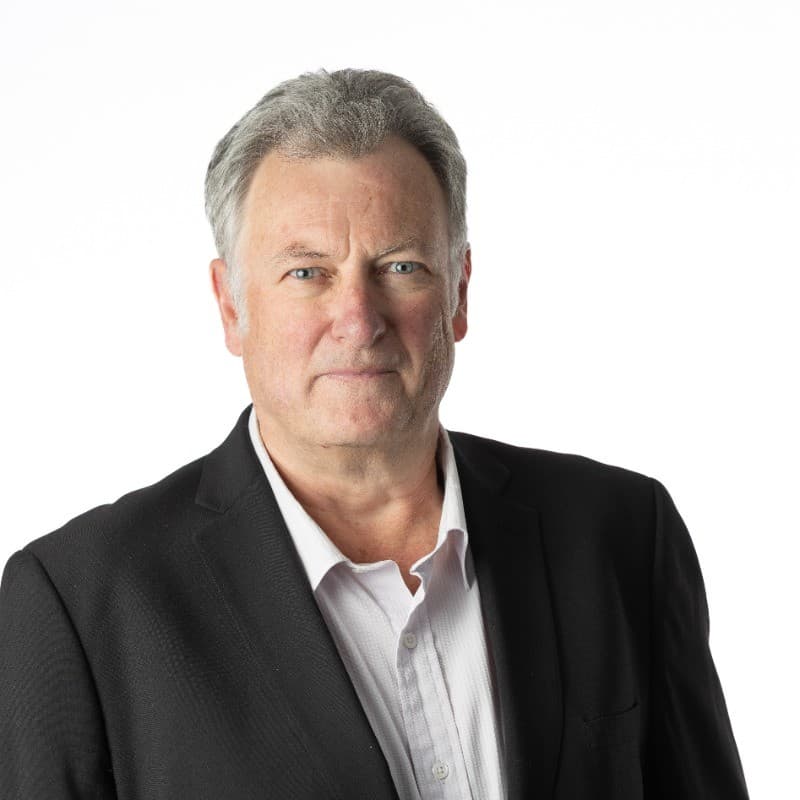
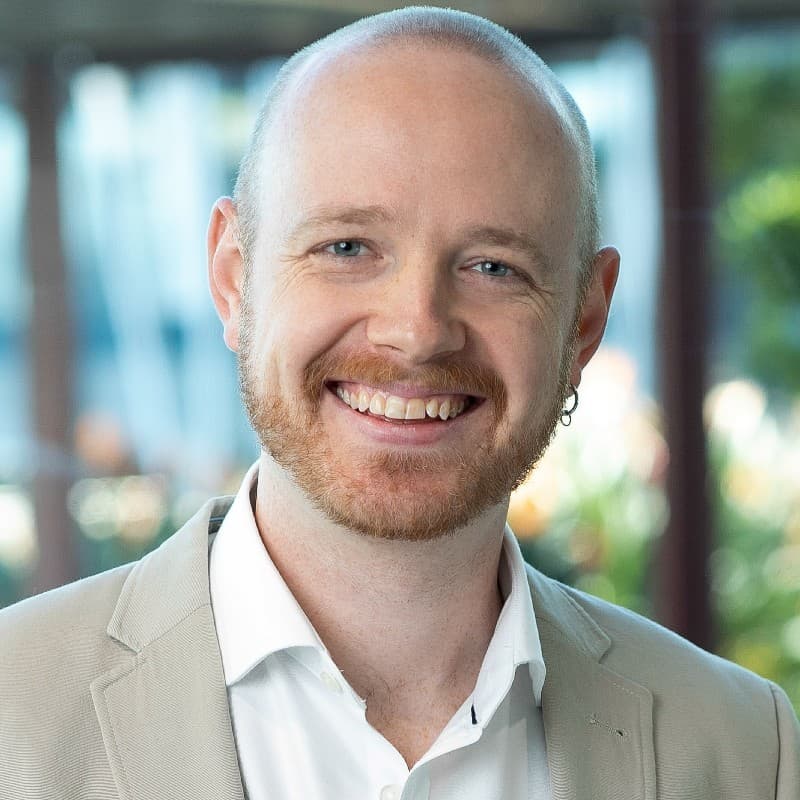
Access the most recent investor updates published by the company.
Meet the experienced professionals leading our organization

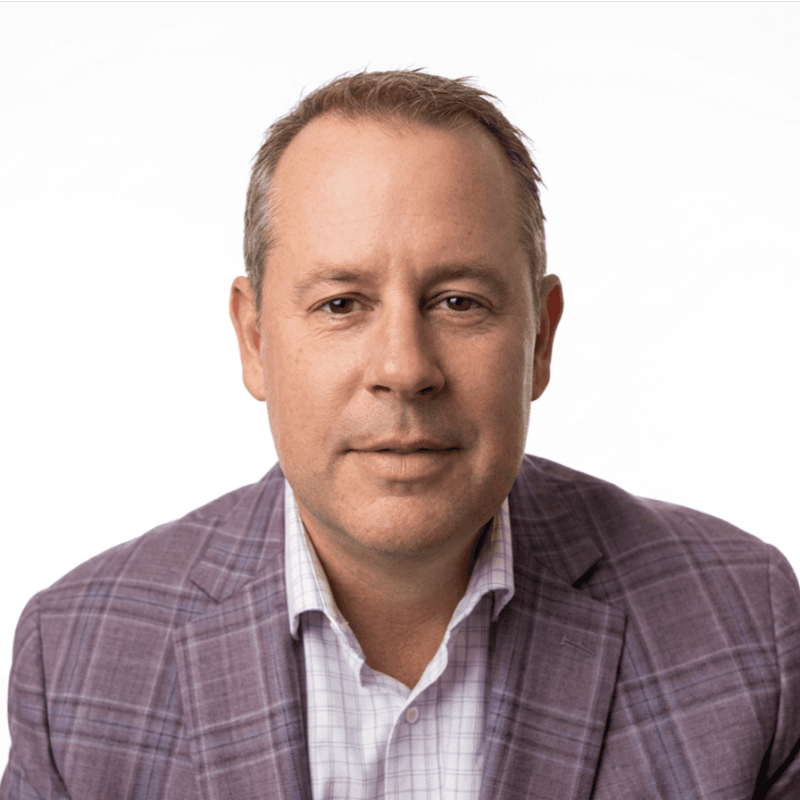

Here are the questions that professional investors are asking before making an investment decision.
That depends on how quickly cash from coal sales covers spending. Clinch funds development through capital expenditure budgeted alongside its production guidance, cash generated from coal sold, and access to capital markets as a Toronto-listed company. Its wash plant also earns money processing material from stockpiles and third-party producers, which helps. Investors should be aware that a producer still ramping can need further funding if volumes or prices disappoint.
Clinch Resources Ltd.
Clinch Resources mines a special kind of coal that steel mills heat to make coke, a fuel which they use to turn iron into steel. This coal is therefore a crucial part of the steel production industry, and by restarting existing mining assets, Clinch aims to become one of the world's most efficient suppliers.
TSX:CLCH
CA$1.18
415.96m
0
230k
Pricing delayed 15 mins. Aug 19, 2026 5:00 PM