Bumble Inc. logo

Bumble Inc.: Life Beyond Swipes

Bumble runs the dating apps where users pay monthly for extra features, and it is now trying to move people off endless swiping and into real-world group meet-ups.

NASDAQ:BMBL
$2.770
Updated: Aug 19, 2026
Technology
smallusa

Bull & Bear Case

An overview of the main reasons to invest and the key risks involved.

Bull Case

Group meet-ups open a wider market

Meeting in small groups reaches people who want friends, not only dates.

Paying subscribers fund the reinvention

Recurring subscription income gives the company money to rebuild its main app.

Founder-led shift away from swiping

The founder returned as chief executive and is personally driving the redesign.

Bear Case

Replacing the swipe could break what works

Paying users joined for swiping, and changing it may push them away.

Real-world events are harder to run

Organising drinks and dinners costs more and scales slower than an app feed.

Tinder is chasing the same idea

The largest rival is also pushing in-person events, so any advantage is narrow.

Executive Summary

About Bumble

Bumble runs dating and friend-finding apps, chiefly the Bumble app and Bumble BFF. People download them free and pay monthly subscriptions or one-off fees for extras such as seeing who liked them, so revenue arrives from users rather than advertisers.

The company is now trying to change what its apps are for. A new app, Plans, arranges small group drinks and dinners so people meet face to face, and management says it is building something to replace swiping altogether. Supporters see a wider market in socialising; sceptics note that swiping is what today's paying users signed up for.

Investment Thesis

Overview of buy and sell case of the business.

Why Invest?

Key pieces of information about the business that you need to know about.

Group meet-ups open a wider market

Dating apps only work for people actively looking for a partner. Plans, Bumble's newest app, arranges small group drinks and dinners in local venues, which appeals to anyone who simply wants company. Chief executive Whitney Wolfe Herd has described group socialising as a natural part of how younger users prefer to meet, and Bumble as a bridge from meeting to socialising to dating. A friendship product has a bigger pool of potential users than a romance product, and people stay in it longer.

Paying subscribers fund the reinvention

Bumble's money comes from its own users, not from advertisers. People download the apps free and then pay for subscriptions and one-off features, which produces income that recurs each month rather than depending on brand budgets. Rivals such as Match Group, which owns Tinder and Hinge, work the same way. That steady flow is what allows Bumble to fund an expensive redesign of its core product while continuing to serve the users it already has.

Founder-led shift away from swiping

Whitney Wolfe Herd, who founded Bumble, has returned as chief executive and is personally leading the move away from swiping. She has told analysts the aim is to stop optimising for swipe speed and move towards fewer, better, more considered signals between users, with the change introduced gradually so the existing app is not disrupted. Founder-led change of this scale is unusual in consumer apps, where product decisions are more often defended than rewritten.

Catalysts

The key events that could drive investment opportunities and shift markets.

Near term
  • Plans Rollout: The next stretch for Bumble is about proving that meeting in person can carry a business built on swiping. Plans, the group meet-up app, has moved past early tests, and wider availability would show whether ordinary users, not just testers, actually turn up.

  • Swipe Replacement Reveal: Management has said a new way of matching is being built to replace swiping, with details held back for competitive reasons. Its unveiling would let users and investors judge whether the change makes matches feel more deliberate.

Medium term
  • Gradual App Transition: The company has said the move to a swipe-free model will be phased rather than flipped overnight. Watching how paying subscribers behave through that transition would show whether the redesign holds engagement or loses it.

  • BFF Momentum: Bumble BFF, the friend-finding side of the business, has gained traction with younger women. Turning that habit into repeat use and paid features would create a second reason for people to keep the app installed.

Long term
  • Events Economics: Running real-world gatherings involves venues, hosts and local supply that an online feed does not need. Whether Bumble can make those meet-ups pay for themselves at scale is the long-run test of the strategy.

  • Gen Z Adoption: The whole plan rests on younger users preferring to meet in groups. If that preference proves durable rather than a passing mood, the company would be selling something structurally different from a dating feed.

Key Risks

Key pieces of information about the business risks that you need to know about.

Real-world events are harder to run

An app feed costs almost nothing to show to one more person. Group drinks and dinners need venues, hosts, enough local users to fill a table, and a reason for people to turn up twice. That makes the economics of real-world meet-ups fundamentally different from software, and the strategy only works if Bumble can make gatherings pay for themselves in many cities at once.

Tinder is chasing the same idea

Bumble is not alone in reading the mood. Tinder, owned by Match Group and the largest app in the category, announced its own push into in-person events in the same week Bumble discussed Plans. Any advantage from moving first is therefore narrow, and a much larger rival with more users in any given city has a natural head start when the product depends on local density.

Replacing the swipe could break what works

Swiping is the habit Bumble's paying users learned and the mechanic its whole app is built around. Management intends to replace it with a different way of matching, phased in so the ecosystem is not disrupted. If the new model feels slower or less rewarding, subscribers can cancel at the end of the month and download a rival app in seconds, because there is nothing locking them in.

Investor Materials

Access the most recent investor updates published by the company.

Key Documents

Bumble Second Quarter 2026 Financial Results

PDF

Team

Meet the experienced professionals leading our organization
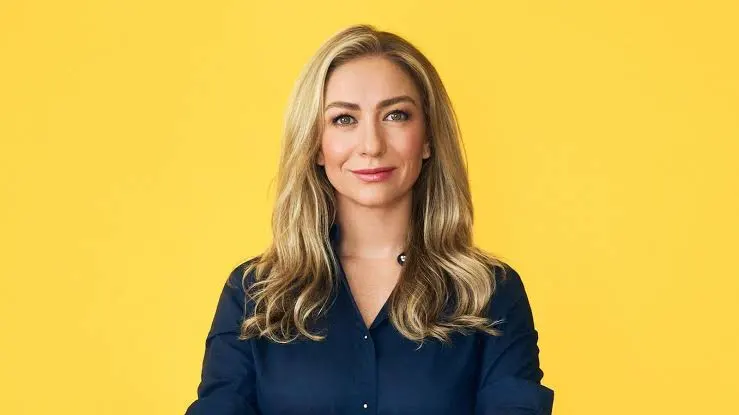
Whitney Wolfe Herd - undefined

Whitney Wolfe Herd

What the Pros are asking

Here are the questions that professional investors are asking before making an investment decision.

How does Bumble actually make money if the app is free?

Bumble earns almost all of its money from its own users rather than from advertising. Downloading the apps costs nothing, but people pay monthly subscriptions for premium tiers and buy one-off extras, such as boosting their profile or seeing who has already liked them. Because subscriptions renew each month, income arrives steadily, and it also disappears steadily if users lose interest. Match Group, which owns Tinder and Hinge, runs on the same model.

What is Plans, and how is it different from the main Bumble app?

Plans is a separate Bumble app that arranges small group meet-ups, typically drinks or dinner at a local venue, rather than one-to-one matching. There is no swiping, and people can carry on chatting inside Bumble afterwards without handing over a phone number. The point is to lower the pressure of a first encounter by making it social rather than romantic, on the view that friendships formed that way can lead to dating later.

Why would a dating company want to move away from swiping at all?

The company's argument is that swiping optimises for speed rather than for good outcomes, and that younger users have grown tired of it. Chief executive Whitney Wolfe Herd has said the replacement is designed to produce fewer but more considered signals between users and quicker real interactions. The commercial logic is that people who meet successfully talk about the app and stay subscribed, whereas endless swiping without results eventually ends in cancellation.

Who does Bumble compete with?

Its main competitor is Match Group, the owner of Tinder and Hinge and the largest company in online dating. Tinder has announced its own move into in-person events, so the two are pursuing similar ground at the same time. Beyond dedicated apps, Bumble competes with anything that occupies a young person's social time, including social media and offline ways of meeting people, which is precisely the space Plans is aimed at.

What would tell me the real-world strategy is working?

The honest answer is that it depends on behaviour rather than announcements, and there are a few things to watch. Whether people who attend one group meet-up book another is the clearest signal, because a single visit is curiosity and a second is a habit. Beyond that, whether Plans users carry on into the main Bumble app, and whether paying subscribers stay through the phased removal of swiping, would show the change is deepening engagement rather than disturbing it.